
Weekly Brief
Be first to read the latest tech news, Industry Leader's Insights, and CIO interviews of medium and large enterprises exclusively from The Manufacturing Outlook
A featured contribution from Leadership Perspectives: a curated forum reserved for leaders nominated by our subscribers and vetted by our Manufacturing Outlook Advisory Board.

Dow
How Do Rubber Linings Enhance Resilience and Efficiency in Industrial Construction
Angela Martinez
Rubber linings in industrial construction provide versatile solutions, offering enhanced durability, chemical resistance, and efficiency. They play a crucial role in diverse industries, ensuring longevity and cost-effectiveness.
Resilience and efficiency are vital in industrial construction, where towering structures and complex systems prevail. While steel beams and concrete pillars are prominent, rubber linings, often overlooked, play an important role as protective shields, enhancing infrastructure safety and performance.
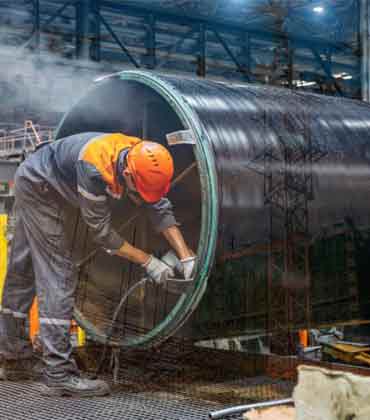
Whether fortifying equipment durability or protecting against corrosive chemicals, these linings play a crucial role in modern industrial construction. Functioning as a protective barrier, they shield essential components from wear and tear, ultimately extending the lifespan of equipment and reducing maintenance expenses.
Key Applications of Rubber Linings in Industries
Rubber linings play a pivotal role across various industrial sectors by providing exceptional versatility and protective qualities. In chemical processing, these linings are a vital barrier against corrosive substances, ensuring equipment longevity and maintaining product purity. The protective shield enhances the durability of critical components, minimizes maintenance costs, and contributes to efficient industrial operations.
In mining, rubber linings are crucial for shielding equipment against abrasive materials, offering exceptional wear resistance in chutes, hoppers, and pipes. This bolsters machinery durability and reduces maintenance needs, ensuring longer equipment life in the challenging environments of mining operations.
Rubber linings in the oil and gas sector safeguard storage tanks and pipelines against corrosion. This protective layer mitigates the damaging effects of corrosive substances, contributing to the equipment's structural integrity and ensuring a prolonged lifespan.
In wastewater treatment facilities, rubber linings act as a protective barrier against corrosive elements present in industrial effluents. This application ensures the longevity of equipment and infrastructure, contributing to efficient wastewater treatment.
Corrosion Protection and Abrasion Resistance
A primary benefit of rubber linings lies in their ability to offer corrosion protection, particularly in industries dealing with corrosive chemicals, acids, and abrasive materials. Providing a crucial protective barrier empowers rubber linings to extend the lifespan of equipment, which results in significant cost savings and operational efficiency.
Furthermore, rubber linings provide exceptional abrasion resistance, reduce maintenance needs, and ensure longer equipment life in industries where abrasive materials are prevalent, such as mining.
Benefits of Rubber Linings
Rubber linings, derived from resilient rubber materials, offer compelling advantages in industrial contexts. They contribute to enhanced equipment longevity, reliable protection, and overall cost-effectiveness.
Enhanced Durability
Rubber linings provide a robust shield against corrosive chemicals and abrasive materials, significantly extending the lifespan of equipment and structures. This increased durability translates to reduced maintenance costs and prolonged operational efficiency, contributing to overall cost-effectiveness for industrial enterprises.
Chemical Resistance
The application of rubber linings offers a vital defense mechanism against chemical reactions and contamination. This is particularly crucial in industries such as chemical processing and wastewater treatment, where maintaining product purity and adhering to stringent safety standards are paramount.
Versatile Thermal Insulation
Rubber linings demonstrate exceptional thermal insulation capabilities, with the ability to endure elevated temperatures across diverse industrial environments. This invaluable property ensures stable operational conditions, preventing heat-related damage to equipment and contributing to consistent performance and reliability.
The future of rubber linings in industrial construction looks promising for enhancing resilience and efficiency, particularly within the manufacturing outlook. As a pivotal component, rubber linings are anticipated to play a crucial role in advancing manufacturing processes, contributing to increased durability, cost-effectiveness, and overall operational efficiency in the industrial sector.
The articles from these contributors are based on their personal expertise and viewpoints, and do not necessarily reflect the opinions of their employers or affiliated organizations.
